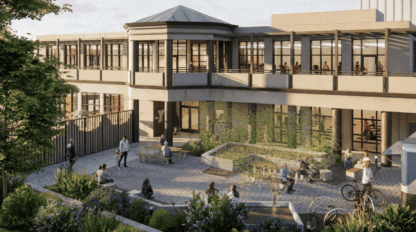
Surprising Ways the YMCA Addresses the Bay Area’s Affordability Crisis
As the Bay Area affordability crisis stretches family budgets across the region, Derick Brown, Chief Advancement and Strategic Partnerships Officer, shares how the YMCA of Greater San Francisco is helping neighbors stay rooted. This piece originally appeared in the San Francisco Business Times.
Growing up in the heart of San Francisco’s Fillmore District, one of the most valuable lessons I learned about a neighborhood’s survival, especially in an urban setting, is that it’s not gauged by real estate values or economic cycles alone. The well-being of a neighborhood depends on far more nuanced factors: for example, whether a family has enough food to make it to Friday, whether working parents can find safe, dependable care for their kids, or whether a young person sees a viable future in his or her own city.
In a city as costly as San Francisco, the price of staying rooted can feel punishing. According to recent Trulia data, the average monthly rent sits at $4,795 – a shocking 30% increase from 2025. The Consumer Price Index estimates that basic cost of living expenses like groceries, gas and other necessities have risen between 23% to 41%, depending on type.
This deeply affects the communities who give this city its soul; communities that house educators, frontline workers, young people and working families. Many don’t have a financial cushion to handle these cost-of-living spikes. And if they don’t have a trusted place to turn—somewhere with open doors and no red tape—where do they go?
They can turn to their neighborhood YMCA for support. Not only in tough times, but at all times. Our 131 locations in San Francisco, San Mateo and Marin counties aren’t just places to get healthy or learn to swim, they are community anchors that offer financial assistance, food assistance, mental health support, affordable and accessible childcare and so much more.
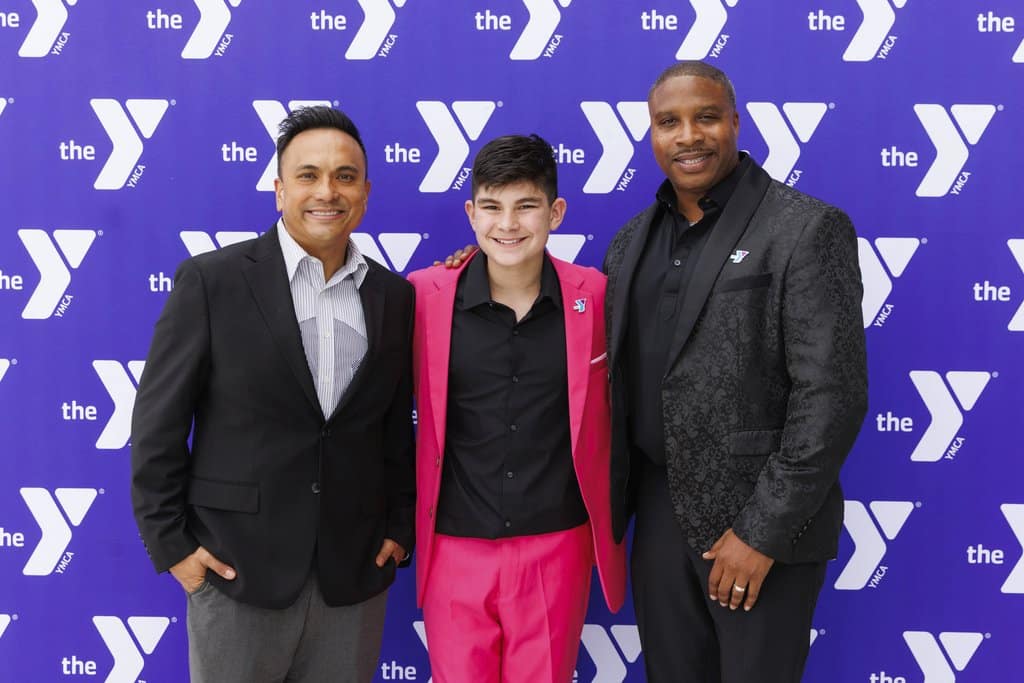
As we release our new 2025–2026 Annual Report, I want to invite you into the room with us to look at our work through the lens of community well-being. Discover what can happen when a nearly 175-year-old nonprofit organization with deep civic and community partnerships not only establishes safety nets to ease the cost of living for the people who need it most but also fosters community well-being in the process. The result is healthier, more resilient neighborhoods for people of all generations.
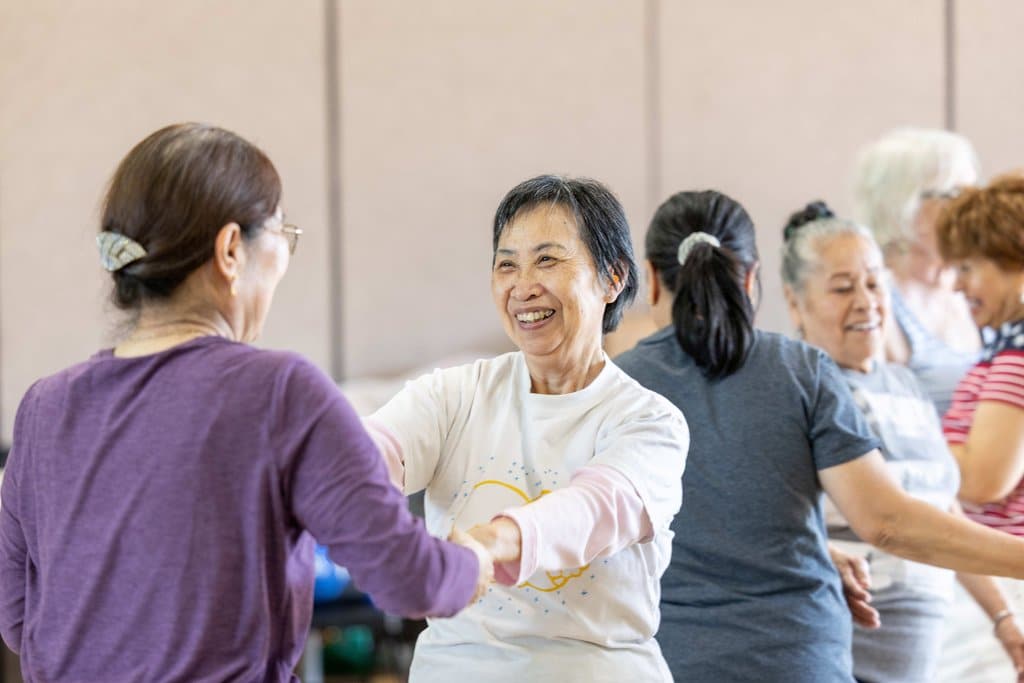
This work is big and it runs deep. Our 2,000 Y staff members serve 130,000 people annually across all sites, including 15 core locations and an overnight camp. We touch people in every stage of life, from caring for very young children to offering opportunities for aging adults to connect and feel seen, and everything in between. We’re proud to say that we have generations of families who are members, many of whom first walked through our doors as children and have remained their entire lives.
A Snapshot: Showing up in time of need
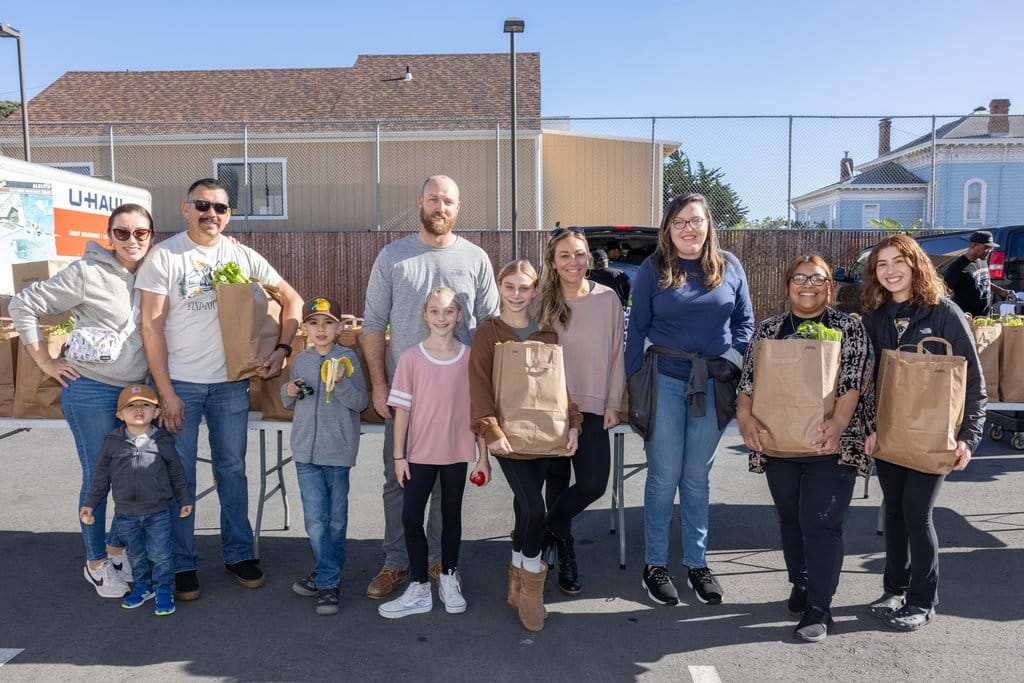
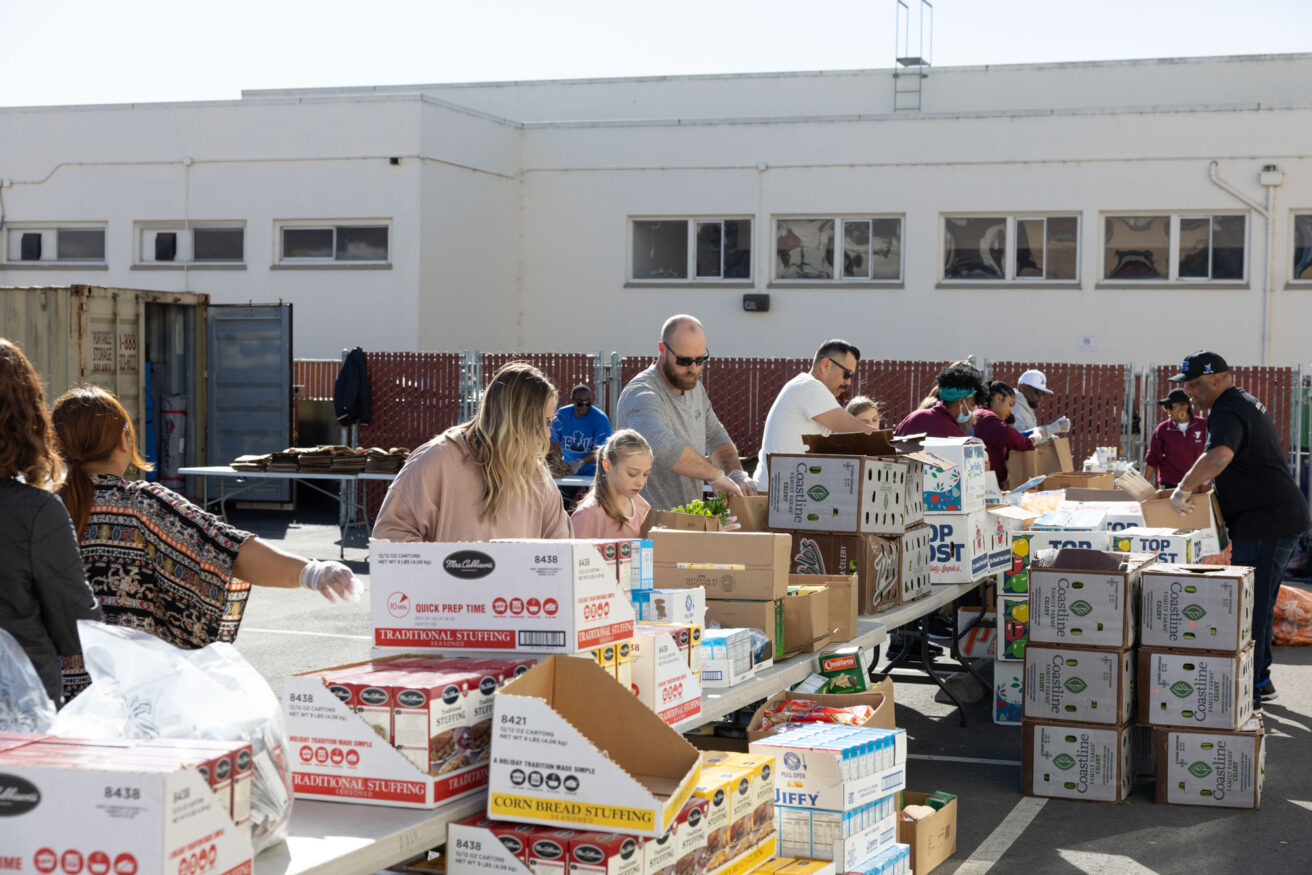
Last November, when unexpected disruptions to SNAP and CalFresh benefits left so many of our neighbors wondering how they were going to put food on the table, our year-round teams in our already established neighborhood food assistance programs stepped up immediately to open emergency grocery hubs within days. This was only a piece of the 5.9 million pounds of fresh, healthy food that the Y’s incredible staff and volunteers distributed across the region over our past fiscal year.
We also showed up for families and educators during the San Francisco Unified School District strike in February, pivoting to transform our branch locations into childcare centers to help working families. It’s only a small piece of why we are proud to be San Francisco’s #1 nonprofit youth-serving organization.
In South San Francisco, our Community Resource Center (CRC) acts as a core safety-net hub, helping families with emergency rent, utilities, and everyday basics so they can stay grounded before an unexpected bill pushes them out of their homes.
Where the affordability math lives
Here’s what I know to be true: funding an isolated program buys a single service, but investing in the YMCA’s civic infrastructure sustains the lasting neighborhood presence and trusted relationships that make regional affordability possible. It keeps our doors open, our classrooms staffed, and our safety net ready.
We can’t solve this regional equation alone. It takes corporate leaders, foundation partners, community champions, and civic changemakers who recognize that solving affordability demands action on both sides of the ledger.
I invite you to learn more about the YMCA of Greater San Francisco’s work by exploring our 2025-2026 Annual Report at ymcasf.org/annual-report. Examine the affordability math for yourself. More than that, I want to invite you to pull up a chair at our table and partner, invest, or donate directly. Let’s build an affordable, resilient Bay Area together.
Derick Brown is the Chief Advancement and Strategic Partnerships Officer at the YMCA of Greater San Francisco, where he leads fundraising and strategic partnerships. He is a veteran civic and nonprofit leader with more than two decades of experience advancing community impact across the Bay Area.